私の英会話教室で日本語を禁止しない理由
英語を学ぶために、日本語を置いてくる必要はありません。
私が日本で英語を教え始めた頃、当時勤めていた英会話の会社から、レッスン中は日本語を使わせないようにと言われていました。
「No Japanese!(日本語禁止!)」
これは一つの教育方針として説明されていました。英語しか使えない環境に身を置くことで、子どもたちはより効果的に英語を学べるという考え方です。
当時の私は、その説明をそのまま受け入れていました。
しかし、日本で英語を教える経験を重ねるにつれて、その方針の理由に疑問を持つようになりました。
当時の私も含め、そうした会社で働く外国人英語講師の多くは、日本語でのコミュニケーション能力が限られていました。
そこで私は、もしかすると会社側は、自分たちの弱点を強みとしてアピールしているのではないか、と考えるようになりました。
講師が日本語で十分にコミュニケーションを取れないという事実を認める代わりに、日本語でコミュニケーションを取ること自体が、生徒にとって良くないことだと説明しているのではないか。
日本語を話せる先生が、あえて日本語を使わないことと、日本語を話せない先生が日本語を使わないことには、大きな違いがあります。
そんな教育方針について、私が真剣に考え直すきっかけとなった出来事が、何年も前にありました。
今でも忘れられない出来事
ある日、私のレッスンを受けていた小さな女の子が、トイレに行きたくなりました。
しかし、残念ながら間に合わず、おもらしをしてしまいました。
私が何よりもショックを受けたのは、その女の子が、私の教室では日本語を話してはいけないと思っていたことです。
彼女には伝えなければならない大切なことがありました。しかし、それを英語で伝えるための言葉をまだ知りませんでした。
日本語を禁止することで英語の使用を促すという会社の方針に従った結果、私は意図せず、彼女がコミュニケーションを取ること自体を妨げてしまったのです。
英語を話すことを促すことと、コミュニケーションを妨げることには、大きな違いがあります。
この女の子の出来事をきっかけに、私は自分の教え方を二つ変えました。
「No Japanese!」と言うのをやめました。
そして、トイレに行きたいときは、私の許可を取る必要はないと、生徒たちに伝えるようになりました。
この二つは、現在もミッキーキッズの教育方針として大切にしていることです。
もちろん、トイレに行きたいときに英語でどう伝えるのかを教えることは大歓迎です。
でも、トイレに行けるかどうかが、外国語を話せるかどうかで決まってはいけません!
世の中には、英語の文法を練習することよりも、ずっと大切なことがあります。
日本語は私の敵ではありません
時々、生徒が何かに夢中になって、ものすごいスピードで私に日本語で話しかけてくることがあります。
残念ながら、私の日本語のリスニング力が、その子の熱意についていけないこともあります!
でも、なんて素敵な悩みでしょう。
その子は、私の教室で安心して、自分のことを話してくれているのです。
自分の生活のこと、経験したこと、嬉しかったことなどを、私に伝えたいと思ってくれています。
それを、なぜ私が止めなければならないのでしょうか?
こうした瞬間は、その子自身にとって意味のある英単語や英語表現を教える、素晴らしい機会でもあります。
日本語で話しているからといって会話を止めるのではなく、その会話を英語学習の出発点にすることができるのです。
How was lunch? ― お昼ごはんはどうだった?
ミッキーキッズを始めたばかりの頃、レッスンの「SMALL TALK(ちょっとした会話)」の時間には、いつも一つのシンプルな質問をしていました。
「How was lunch?」
お昼ごはんはどうだった?
この質問を選んだ理由は、お昼ごはんを食べるということが、教室に来るほとんどすべての生徒に共通する経験だからです。
今でも、正式なレッスンが始まる前によく使う質問の一つです。
例えば、ある生徒がほかの生徒よりも少し早く教室に来たとします。
その子は、レッスンが始まるまで、自分の好きなおもちゃを選んで遊びます。
遊んでいるその子に、私は何気なく質問します。
「How was lunch?」
「It was good.(おいしかったよ。)」
「It was okay.(まあまあだったよ。)」
「It was bad.(おいしくなかったよ。)」
そして、もう一つ質問します。
「Really? What did you eat?」
そうなの? 何を食べたの?
この二つのシンプルな質問を通して、子どもたちは自分が経験したことについて感想を述べ、さらにその経験について教えてくれます。
うどんが苦手な生徒は、ものすごく感情を込めて、
「It was SO bad!(すっごくまずかった!)」
と言うかもしれません。
一方、うどんが大好きな生徒は、同じくらい感情を込めて、
「It was SO good!(すっごくおいしかった!)」
と言うかもしれません。
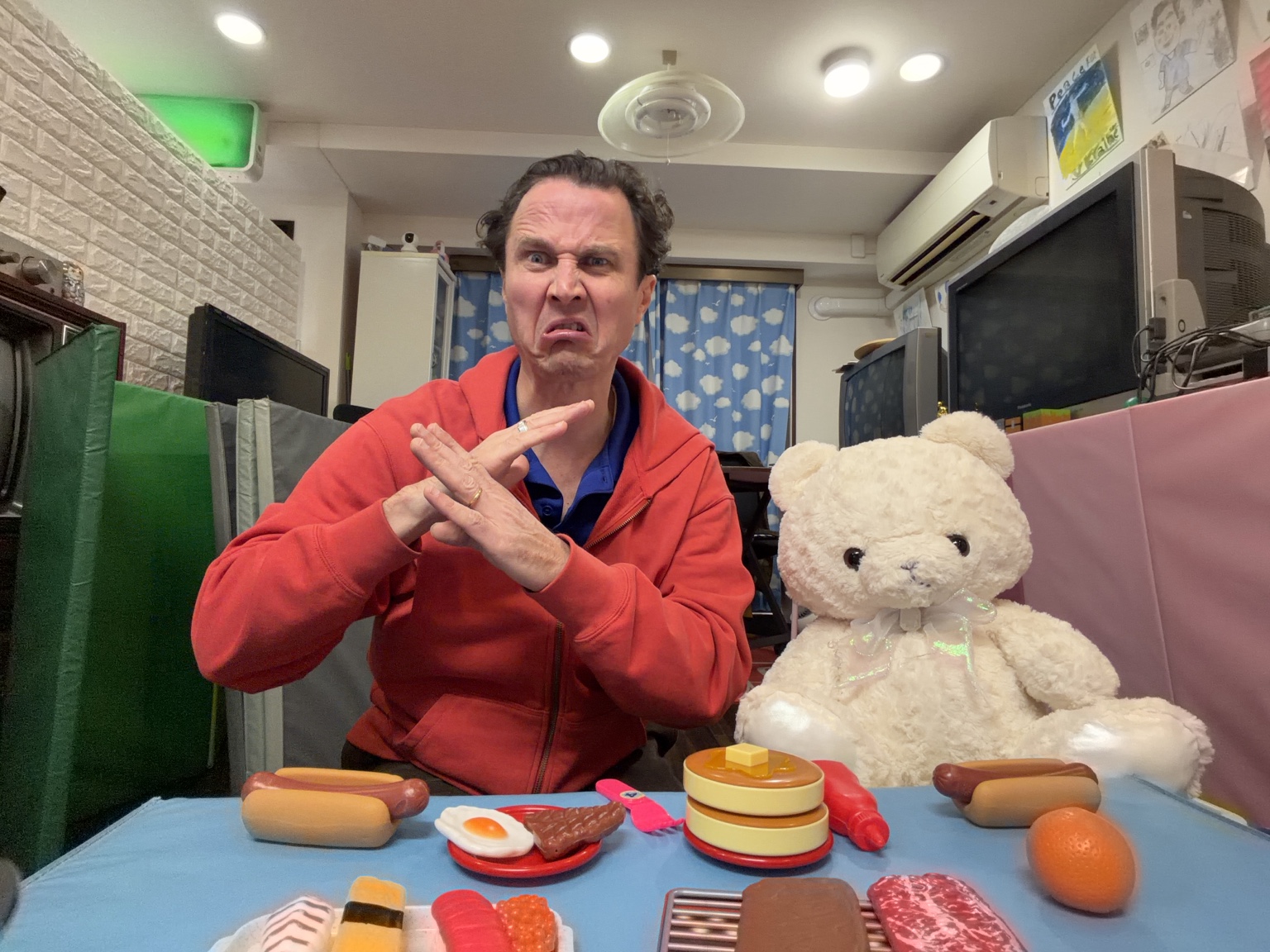
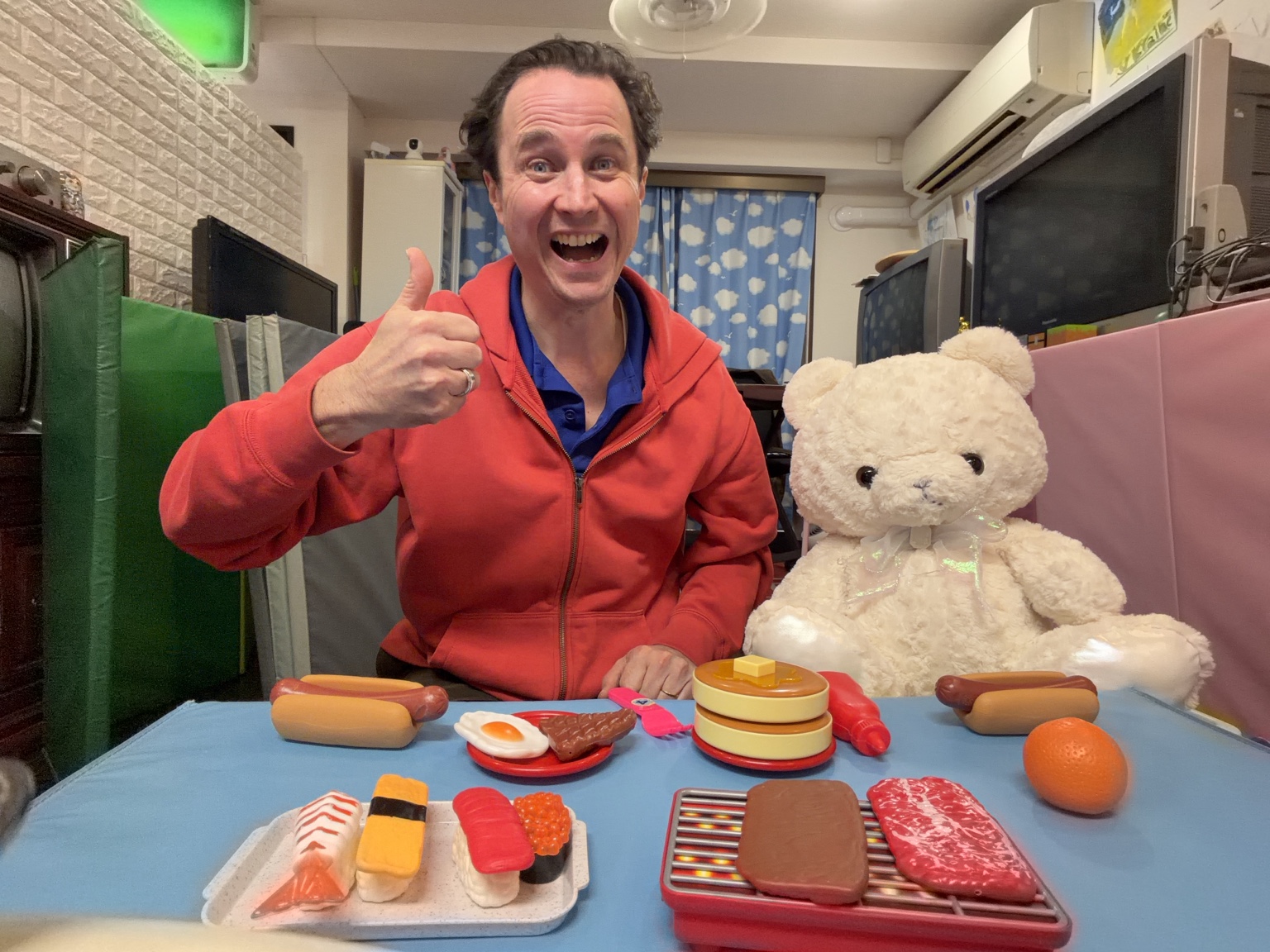
二人とも同じ英語の文法を練習していますが、表現している気持ちはまったく違います。
私が与えた英文をただ繰り返しているのではありません。
英語を使って、自分自身の意見を伝えているのです。
そして、食べたものの名前を日本語で教えてくれても、まったく問題ありません。
その食べ物を英語でどのように表現できるのか、一緒に考えることができます。
もちろん、このお昼ごはんについての会話には、一つだけ例外があります。
ミッキーキッズでは「TRUE OR FALSE(本当かウソか)」というアクティビティがあり、時々、そのテーマが「WHAT DID YOU EAT?(何を食べた?)」になります。
そんな日には、私はあえて何を食べたのかを聞かないようにしています。
だって、私が先に答えを知ってしまったら、その子のゲームでのチャンスを台無しにしてしまいますからね!
SMALL TALKの進化
ミッキーキッズのSMALL TALKは、長い年月をかけて進化してきました。
お昼ごはんについてのシンプルな質問から始まり、今では子どもたちの日常生活に関するさまざまな質問を取り入れています。
「What did you do yesterday?」
昨日は何をしたの?
「What are you going to do tomorrow?」
明日は何をする予定なの?
「Did you eat noodles this week?」
今週は麺類を食べた?
「Did you watch TV this week?」
今週はテレビを見た?
こうした質問を通して、子どもたちは過去の経験や未来の予定、その週にしたことなどについて話す機会を得られます。
使う文法は変わっても、基本的な考え方は変わりません。
私は、子どもたち自身の生活について質問しているのです。
明日は何をする予定なのかと質問しても、私にはその答えが分かりません。
家族と買い物に行くのかもしれません。おじいちゃんやおばあちゃんに会いに行くのかもしれません。家でテレビゲームをして過ごすのかもしれません。
そして時には、まだ英語で表現するための単語を知らないことについて、話したいと思うこともあります。
そんなときこそ、日本語がとても役に立つのです。
子どもたちの答えを、すでに知っている英単語の範囲に制限するのではなく、その子が本当に伝えたいことに合わせて、英語の語彙を増やしていくことができます。
会話そのものが、次にどんな英語を学ぶ必要があるのかを教えてくれるのです。
「お土産」から「souvenir」へ
ミッキーキッズの生徒さんの一人が、沖縄のお土産に小さなシーサーをプレゼントしてくれました。
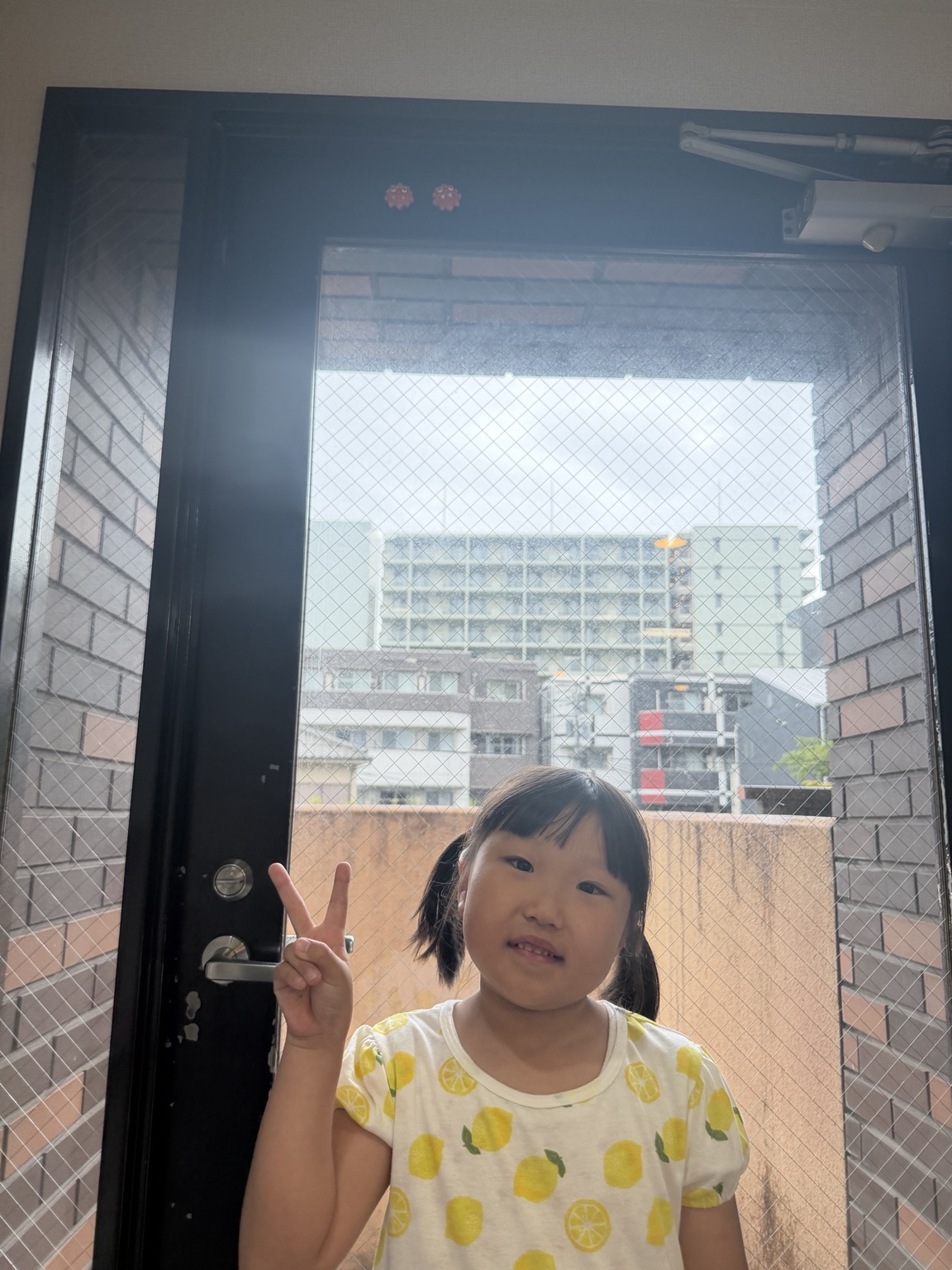
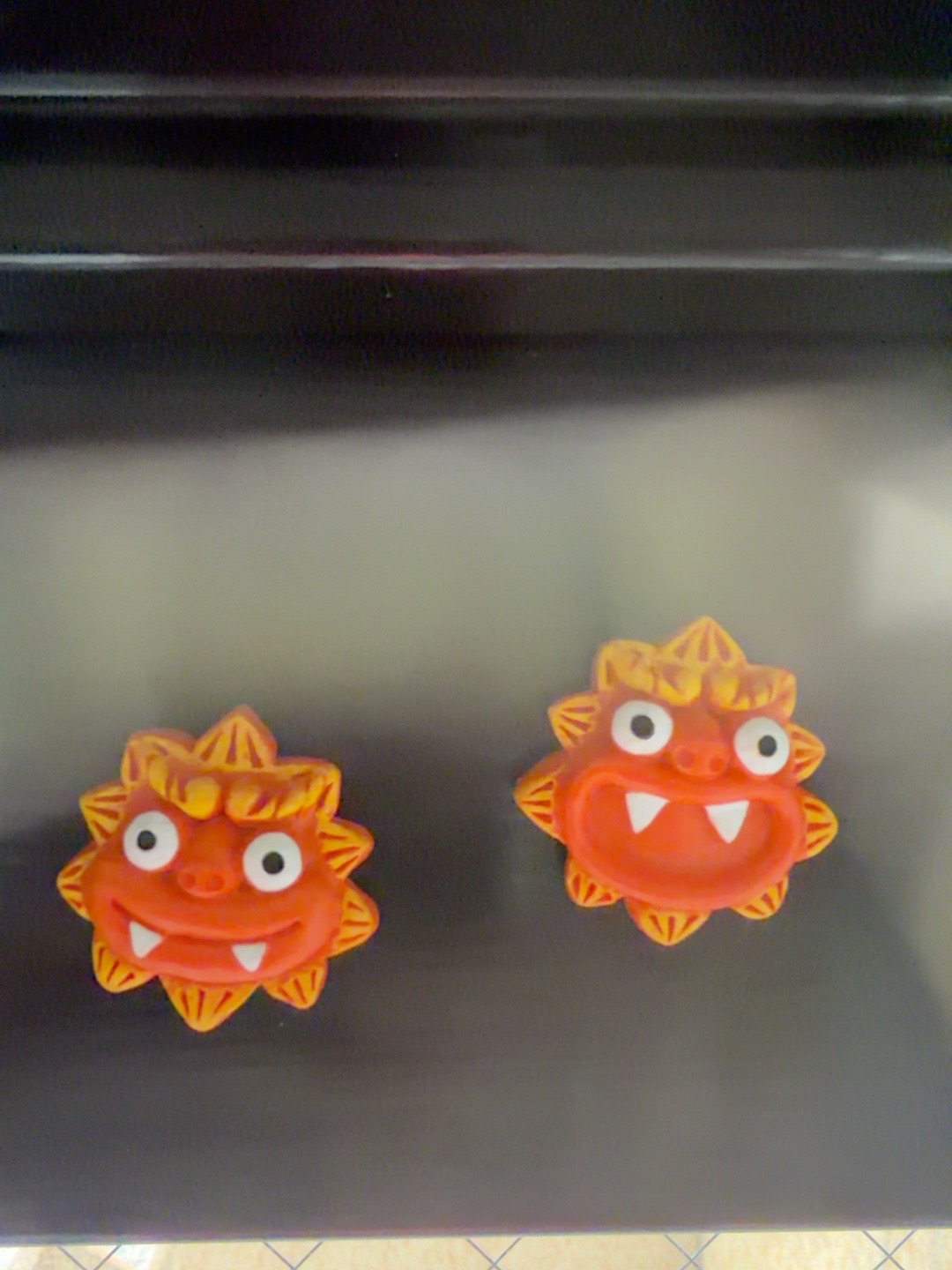
この沖縄の伝統的な置物は、ある英単語を教える素晴らしいきっかけにもなりました。
「souvenir」という単語です。
日本の子どもたちは、すでに「お土産」という概念を理解しています。
旅行に行った友達からお土産をもらったことがあるかもしれません。家族旅行でお土産を買って帰ったことがあるかもしれません。
私が「お土産」という概念そのものを、一から教える必要はありません。
子どもたちが日本語ですでに理解していることを、新しい英単語につなげることができるのです。
日本語の知識は、英語を学ぶための障害ではありません。
この場合、むしろ日本語の知識が英語の学習を助けてくれています。
せっかく持っているその知識を、なぜ活用しないのでしょうか?
英語を話す環境をつくること
もちろん、英会話教室では、英語を聞いたり話したりする機会をたくさん提供することが大切だと、今でも考えています。
私は、生徒たちにチャレンジしてほしいと思っています。
どう言えばいいのか完全には分からなくても、自分の考えを英語で伝えようとしてほしいのです。
そして、間違えることは、言語を学ぶうえでごく自然なことだと理解してほしいと思っています。
しかし、英語を使うことを促すことと、日本語を使うことを禁止することには、大切な違いがあると思います。
一方は、子どもたちが新しいことに挑戦するように促します。
もう一方は、子どもたちがすでにできることをするのに、不安を感じさせてしまう可能性があります。
私自身、長年日本語を勉強してきた人間として、頭の中にある考えが、自分の作れる文章よりもはるかに複雑なとき、どれほどもどかしい気持ちになるのかを理解しています。
外国語で自分の考えを表現できないからといって、その人に伝えたい面白いことが何もないわけではありません。
特に子どもたちに教えるときには、先生がこのことを忘れないようにすることが大切だと思います。
そして、教師である私自身の能力の限界を、生徒たちに課す制限にしてはいけないとも考えています。
コミュニケーションが第一
ミッキーキッズでは、子どもたちが自分の考えや気持ち、そして自分らしさを、安心して教室に持ち込めるようにしたいと思っています。
もちろん、そこには日本語も含まれています。
英語は、子どもたちが自分自身を表現するために、私が新しく渡してあげたいもう一つの道具です。
英語を学ぶことは、コミュニケーションの可能性を広げるものであって、すでに持っているコミュニケーション能力を一時的に奪うものであってはいけません。
私は、私と話すこと自体を怖がっている子どもよりも、日本語で楽しそうに私に話しかけてくれる子どもの方が、ずっと嬉しいです。
なぜなら、子どもが自分から話したいと思ってくれたその瞬間に、私には、その子にもう一つの伝え方を教える素晴らしい機会が生まれるからです。
それこそが、私にとって英語を教えるということなのです。
Why Japanese Is Welcome in My English Classroom
Learning English doesn't mean leaving Japanese at the door.
When I first started teaching English in Japan, I was told by the companies I worked for that Japanese should not be spoken in the classroom.
“No Japanese!”
This was presented to me as a teaching philosophy. The idea was that children would learn English more effectively if they were placed in an environment where only English was permitted.
At the time, I accepted this explanation.
However, as I gained more experience teaching in Japan, I began to question the reasoning behind this policy.
Many of the foreign English teachers working for these companies, including myself at the beginning of my career, had very limited Japanese language abilities.
I began to wonder whether these companies were actually presenting a weakness as a strength.
Rather than acknowledging that their teachers couldn't communicate effectively in Japanese, they were promoting the idea that communicating in Japanese was somehow bad for the students.
There is a considerable difference between a teacher choosing not to speak Japanese and a teacher being unable to speak Japanese.
Something happened many years ago that made me seriously reconsider this approach to teaching.
A lesson I will never forget
One day, a young girl in my classroom needed to go to the bathroom.
Unfortunately, she ended up having an accident.
What really bothered me was the realization that this little girl had understood that speaking Japanese in my classroom was something she wasn't supposed to do.
She needed to communicate something important, but she didn't have the English words to express herself.
By following the company's policy of encouraging English through the prohibition of Japanese, I had unintentionally discouraged her from communicating altogether.
There is a very big difference between encouraging English and discouraging communication.
As a direct result of that little girl's accident, I made two changes to the way I taught.
I stopped saying “No Japanese!” and I started telling my students that they didn't need to ask my permission to go to the bathroom.
Both of those changes remain part of my teaching philosophy to this day at Mickey Kids.
Of course, I'm happy to teach children how to ask to go to the bathroom in English, but going to the bathroom should never depend on their ability to speak a foreign language!
There are some things in life that are considerably more important than practicing English grammar.
Japanese is not my enemy
Sometimes, a student gets very excited about something and starts speaking to me in Japanese at an incredible speed.
Unfortunately, my Japanese listening ability doesn't always match their enthusiasm!
But what a wonderful problem to have.
Here is a child who feels comfortable enough in my classroom to share something with me. They want to tell me about their life, their experiences, or something that made them happy.
Why would I want to discourage that?
These moments also give me opportunities to introduce English words and expressions that are personally meaningful to that particular child.
Rather than interrupting the conversation because it is happening in Japanese, I can use the conversation as a starting point for learning English.
How was lunch?
When I first started Mickey Kids, the question we always used in the small talk section of our lessons was a very simple one.
“How was lunch?”
I chose this question because eating lunch is an experience shared by almost every student who comes into my classroom.
It's also a question that I still frequently ask students before the formal lesson even begins.
Let's say a student arrives a little earlier than the other students. They might choose something to play with while they wait for the lesson to start.
As they play, I'll casually ask them a question.
“How was lunch?”
“It was good.”
“It was okay.”
“It was bad.”
Then I'll follow up with another question.
“Really? What did you eat?”
These two simple questions give children an opportunity to express an opinion about something they have experienced and then share a little information about that experience.
A student who doesn't like udon might tell me, with great enthusiasm, “It was SO bad!”
Another student who loves udon might tell me, with equal enthusiasm, “It was SO good!”
Both students are practicing the same English grammar, but they are expressing completely different feelings.
They aren't simply repeating English sentences that I have given them. They are using English to express their own opinions.
And if a student tells me the name of a food in Japanese, that's perfectly fine. We can explore how to describe that food in English together.
Of course, there is one exception to my lunchtime conversations.
At Mickey Kids, we have a TRUE OR FALSE activity, and sometimes the topic is “WHAT DID YOU EAT?”
On those days, I deliberately avoid asking students what they ate.
After all, if I already know what they ate for lunch, I'm going to spoil their chances in the game!
The evolution of small talk
Over the years, the small talk section at Mickey Kids has evolved considerably.
What began with a simple question about lunch has expanded to include a variety of basic questions about the children's everyday lives.
“What did you do yesterday?”
“What are you going to do tomorrow?”
“Did you eat noodles this week?”
“Did you watch TV this week?”
These questions give students opportunities to talk about past experiences, future plans, and things they have done throughout the week.
The grammar may change, but the underlying idea remains the same.
I'm asking children questions about their own lives.
When I ask a student what they are going to do tomorrow, I don't already know the answer. Perhaps they're going shopping with their family, visiting their grandparents, or simply staying home and playing video games.
And sometimes, they want to tell me about something for which they don't yet have the English vocabulary.
That's where their Japanese becomes particularly useful.
Rather than limiting their answers to the English vocabulary they already know, we have an opportunity to expand that vocabulary based on what they actually want to say.
The conversation itself helps determine what English we need to learn.
From お土産 to “souvenir”
One of my students at Mickey Kids gave me some little shisa ornaments as a souvenir from Okinawa.
These traditional Okinawan figures provide a wonderful opportunity to introduce an English word: souvenir.
Japanese children already understand the concept of お土産. They may have received something from a friend who went on vacation, or brought something home from a family trip.
I don't need to teach them the concept from the beginning.
I can connect something they already understand in Japanese to a new word in English.
Their knowledge of Japanese is not an obstacle to learning English. In this situation, it is actually helping them learn English.
Why wouldn't I take advantage of that?
Creating an English-speaking environment
Of course, I still believe that an English classroom should provide students with plenty of opportunities to hear and speak English.
I want my students to challenge themselves. I want them to try expressing their thoughts in English, even when they aren't completely sure how to say something.
I also want them to understand that making mistakes is a perfectly natural part of learning a language.
But I think there is an important distinction between encouraging the use of English and prohibiting the use of Japanese.
One encourages children to try something new.
The other can make children afraid of doing something they already know how to do.
As someone who has spent many years learning Japanese myself, I understand how frustrating it can be when the thoughts in your head are considerably more complicated than the sentences you are capable of producing.
Being unable to express yourself in another language doesn't mean that you have nothing interesting to say.
I think it's particularly important for teachers to remember this when working with children.
I also believe that my own limitations as a teacher should never become restrictions imposed upon my students.
Communication comes first
At Mickey Kids, I want children to feel that their ideas, their feelings, and their personalities are welcome in my classroom.
And that includes their Japanese.
English is another tool that I want to give them to express themselves. It should expand their ability to communicate, not temporarily take that ability away from them.
I would much rather have a child who is excited to communicate with me in Japanese than a child who is afraid to communicate with me at all.
Because once a child wants to communicate with you, you have a wonderful opportunity to teach them another way to do it.
And that, to me, is what teaching English is all about.

ミッキーキッズ英会話
スクール
MICKEY KIDS ENGLISH SCHOOL
幼児・小学生・中学生・高校生
千葉県千葉市中央区新宿1丁目24-4
フジタマンション201号室

