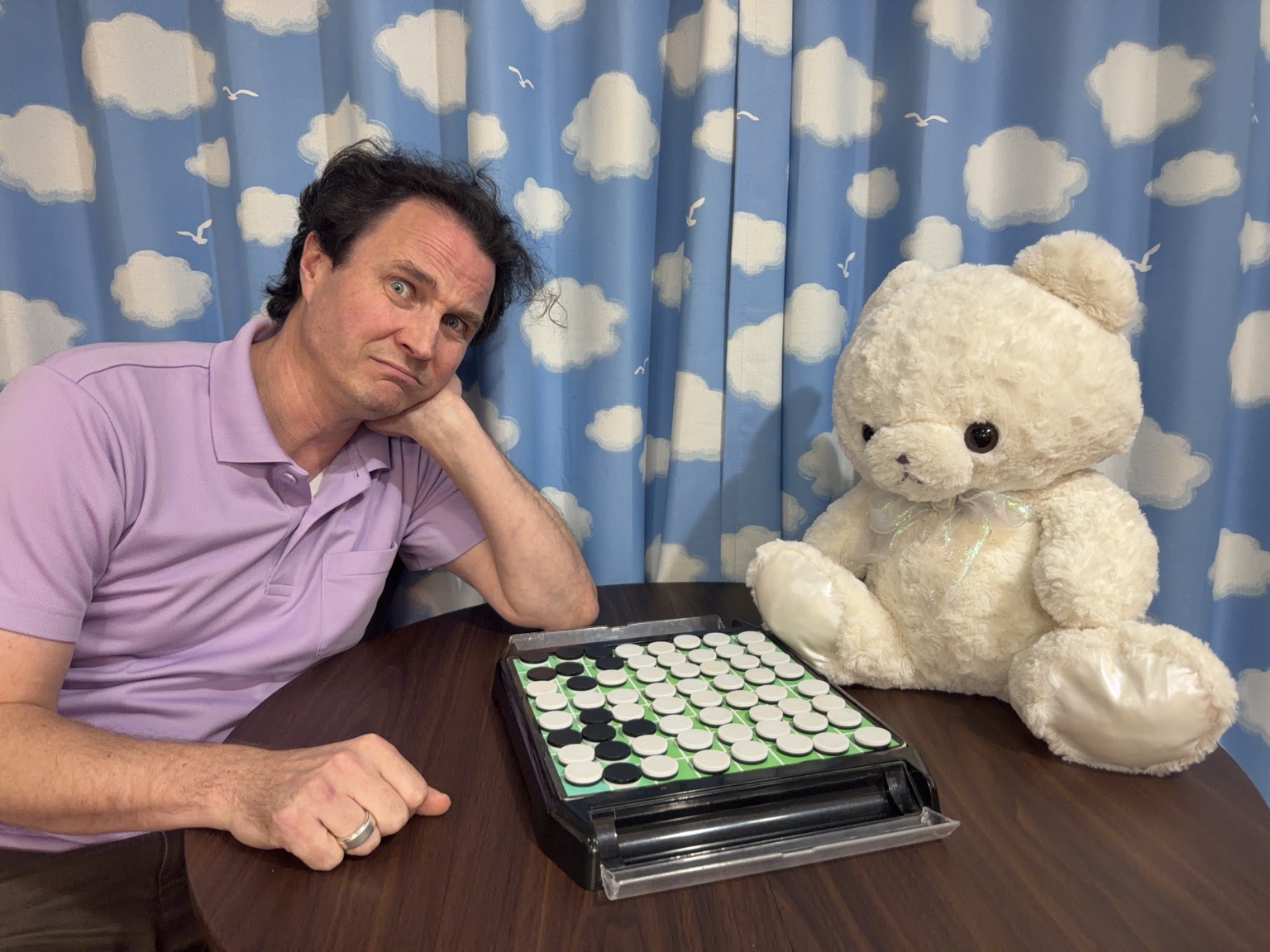
先日、私は白いクマとオセロで勝負をして、負けてしまいました。
悔しかったかって?もちろんです!
勝ちたかったかって?当たり前です!
でも幸いなことに、私は子どもたちよりもずっとたくさん「負ける練習」をしてきました。
今日は、ミッキーキッズで私がとても大切にしていることについてお話ししたいと思います。
それは、「負ける練習」です。
子どもたちが初めて経験する「自分が一番ではない世界」
子どもたちは小さい頃、親が作ってくれる、ある意味で安心できる特別な世界の中で育つことがあります。親は当然、子どもに幸せでいてほしいと思っています。だから、子どもを先に行かせたり、最初に選ばせたり、ゲームでわざと負けてあげたりすることもあります。
それは決して不思議なことではありません。愛情から生まれる行動です。
でも、やがて子どもたちは、親以外の人たちと関わるようになります。そして突然、あることに気づきます。
いつも自分が一番最初とは限らない。いつも自分が勝てるわけではない。そして、世界中の誰もが自分を最優先にしてくれるわけではない。
これは子どもにとって、とても大きなショックになることがあります。では、同じような経験をしている子どもたちが、一つの教室に集まったらどうなるでしょう? 時には、大変なことになります!
同じ年齢のお友達がゲームに勝っただけで、感情が大きく揺さぶられてしまう子もいます。大人が勝ったというだけでも、非常につらく感じる子がいるのです。
「ただのゲームだよ」と言わなくなった理由
私は長年の経験を通して、こうした場面での子どもへの接し方について、大切なことを学びました。
実は、私が先生になったばかりの頃、そして自分の学校を開いた頃でさえ、子どもたちによくこんなことを言っていました。「大丈夫だよ。ただのゲームなんだから!」
本当に、そう言っていたんです。
当時の私は、それが子どもを安心させる言葉だと思っていました。ゲームに負けたくらいで、そんなに落ち込まなくてもいいんだよ、と伝えたかったのです。
でも、何年も子どもたちと接するうちに、私はあることに気づき始めました。その言葉は、子どもが自分の感情と向き合う助けには、実際にはなっていなかったのです。むしろ、私はまったく違うことをしていました。
子どもの気持ちを、ちゃんと受け止めていなかったのです。
「ただのゲームだよ」と言うことで、私は無意識のうちに、その子にとって本当に大切なことを軽く扱ってしまっていました。子どもが自分の感情を理解し、どう向き合えばいいのかを学ぶ手助けをする代わりに、その感情を早く消そうとしていたのです。
これは、教師としての私にとって、とても大きな学びでした。だから今では、「大丈夫。ただのゲームだよ」とは言わないようにしています。
本当に悔しくて悲しんでいる子に「ただのゲームだよ」と言っても、その気持ちが消えるわけではありません。その子にとっては、決して「ただのゲーム」ではないのです。心が痛いのです。
そんな時、私は例えばこう声をかけます。「すごく心が痛かったんだね。その気持ちは分かるよ」あるいは、「勝つことが、あなたにとってすごく大切なんだね?」
私はまず、その子の悔しさを理解していることを伝えたいのです。「負けることなんて大したことじゃない」と納得させる必要はありません。その子が今感じている気持ちは、少しずつ自分で扱えるようになるものなのだと伝えたいのです。
私は子どもたちより、ずっとたくさん負けてきました
そして私は、子どもたちに自分自身のことを話します。
私は人生で何度も負けてきました。
たくさん間違えました。失敗もしました。がっかりしたことも、数えきれないほどあります。そして正直に言えば、私だって負けるのは好きではありません!
でも、私と小さな子どもとの間には、大きな違いが一つあります。
私は、その子よりもずっとたくさん「負ける練習」をしてきたのです。
大切なのは、まさにそこです。練習すること。
時には、わざと負ける場面を作って、負けた時にどうするかを一緒に練習することもあります。どんな気持ちになるのか。何をしたくなるのか。そして、次はどんな反応ができるだろうか。そんなことを一緒に考えます。
勝ちたいと思わなくなるための練習ではありません。負けた時に、自分の気持ちとどう向き合うかを練習しているのです。
ご家庭でも「負ける練習」をしてみませんか?
これは、ぜひ保護者の皆さんにも試していただきたいことです。いつも子どもを勝たせなくても大丈夫です。いつも子どもを一番最初にしなくても大丈夫です。
大好きな家族と一緒にいる安心できる環境の中で、思い通りにならない経験をする機会を作ってあげてください。
そして、大きな感情があふれ出してしまった時、その気持ちをまだ上手に扱えないという理由だけで、子どもを罰しないでほしいのです。「ここでは、どんな気持ちになっても大丈夫だよ」そう思える安心できる存在でいてあげてください。
ただし、ここには大切な境界線があります。
どんな感情を持つことも自由です。でも、その感情によって自分や他の人を傷つけてはいけません。
怒ってもいい。悔しがってもいい。負けて泣いてもいい。でも、妹を叩いたり、壁を殴ったりすることは許されません。
感情を受け止めることと、その感情から生まれるすべての行動を許すことは、まったく別なのです。
私は競争することに反対ではありません!
ここで、一つはっきりさせておきたいことがあります。私は、子どもたちが競争することに反対しているわけではありません。むしろ、その逆です!
生まれつき競争心がとても強い子どももいます。勝つことが大好きで、一番速くなりたい、一番賢くなりたい、何かで一番になりたいと思っています。私は、そんな気持ちを取り上げたくありません。
周りの人を安心させるために、競争心の強い子が自分を小さく見せたり、遠慮したり、向上心を抑えたりする必要があるとは思いません。競争は素晴らしいものになり得ます。
負けることで、自分の間違いに気づくことがあります。もっと練習しなければならないことが見つかることもあります。そして時には、負けた悔しさが、次こそは勝ちたいという強い気持ちを生むこともあります。私は、それを応援したいのです!
子どもたちに、勝つことをどうでもいいと思ってほしいわけではありません。
勝つことが大好きで、それでも負けた時には、その結果を受け止められる子どもになってほしいのです。
誰かの勝利を、一緒に喜べるようになること
でも、私が何よりも大切だと思っていることが、もう一つあります。それは、誰かの成功を喜ぶことを学ぶということです。
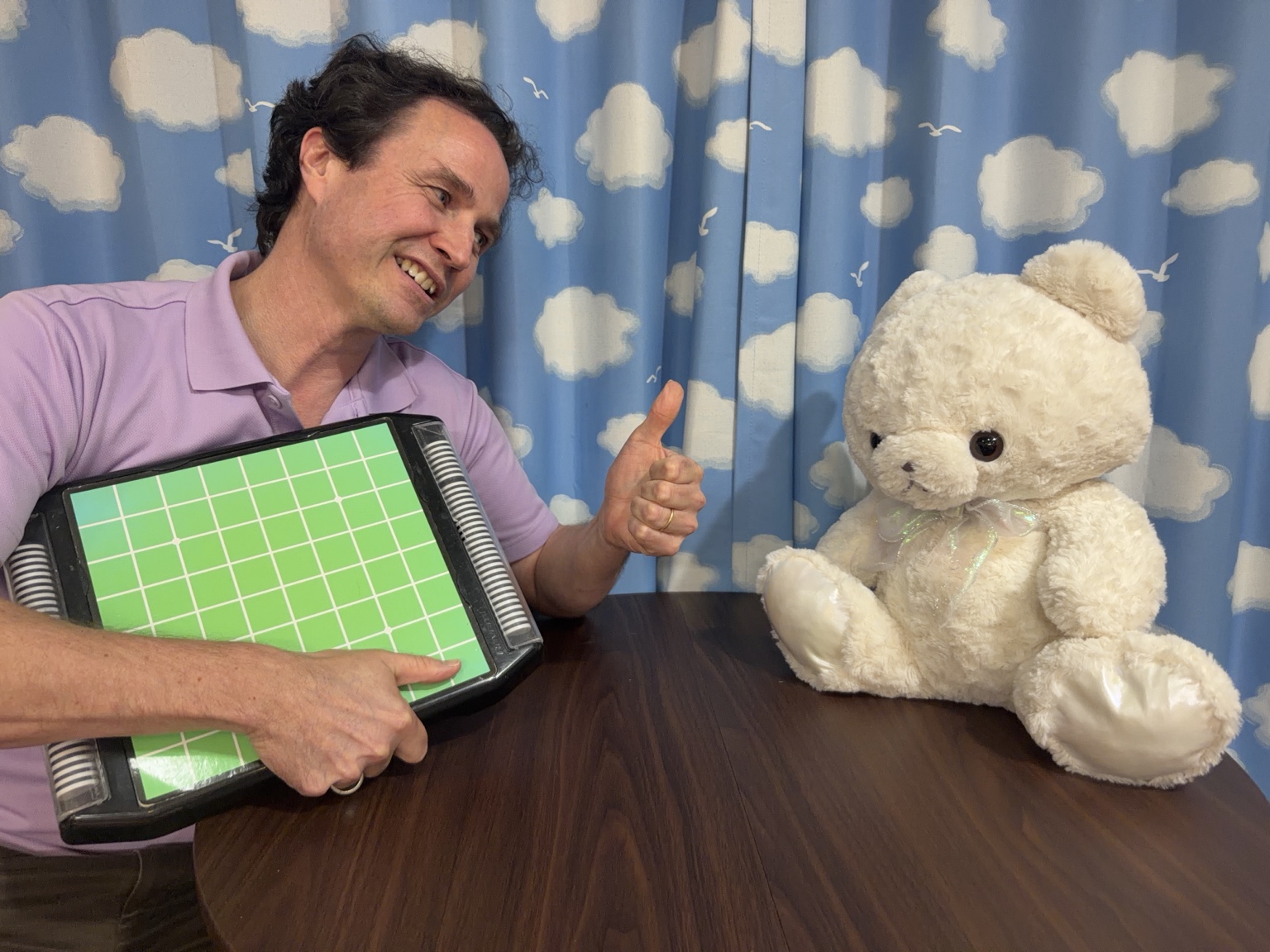
教室で誰かがゲームに勝った時、私は負けた子どもたちにも、勝った子を祝福するように勧めています。悔しくても。自分が勝ちたかったとしても。
もちろん、簡単なことではありません。自分が欲しかった勝利を、他の誰かが手にした時、それを見るのはつらいこともあります。
でも、他の人の勝利を一緒に喜べるようになることは、とても素晴らしい力だと私は思っています。
なぜなら、誰かの成功を喜べるようになると、面白いことが起こるからです。競争の中で幸せを感じる方法は、自分が勝つことだけではないと気づき始めるのです。
時には、誰かが勝ったことを喜ぶのも、自分が勝つのと同じくらい楽しいことなのです。
「負け方」だけでなく「勝ち方」も大切
英語には、sore loser という表現があります。負けた時に怒ったり、不機嫌になったりする「負け方の悪い人」という意味です。でも、もう一つ気をつけたい人がいます。それは、sore winner です。勝ったのに、負けた人を嫌な気持ちにさせてしまう人のことです。
私は、どちらも育てたいとは思いません。優しさを持って勝ち、負けた時にも相手を尊重し、競争そのものを楽しみ続けられる子どもたちを育てたいのです。
他の人を祝福することで、自分自身の価値や努力が小さくなるわけではない。そんなことを理解してほしいと思っています。
そして、負けた時には、こう知っていてほしいのです。ゲームに負けたからといって、あなた自身が「負け犬」になったわけではありません。
今回は勝てなかった。ただ、それだけです。そこから学べます。練習できます。そして、もう一度挑戦できます。
私は、負け方の悪い子も、勝ち方の悪い子も育てたいとは思いません。
立派な勝者と、負けたとしても「次の勝利まで、あと一歩かもしれない」と思える子どもたちを育てたいのです。
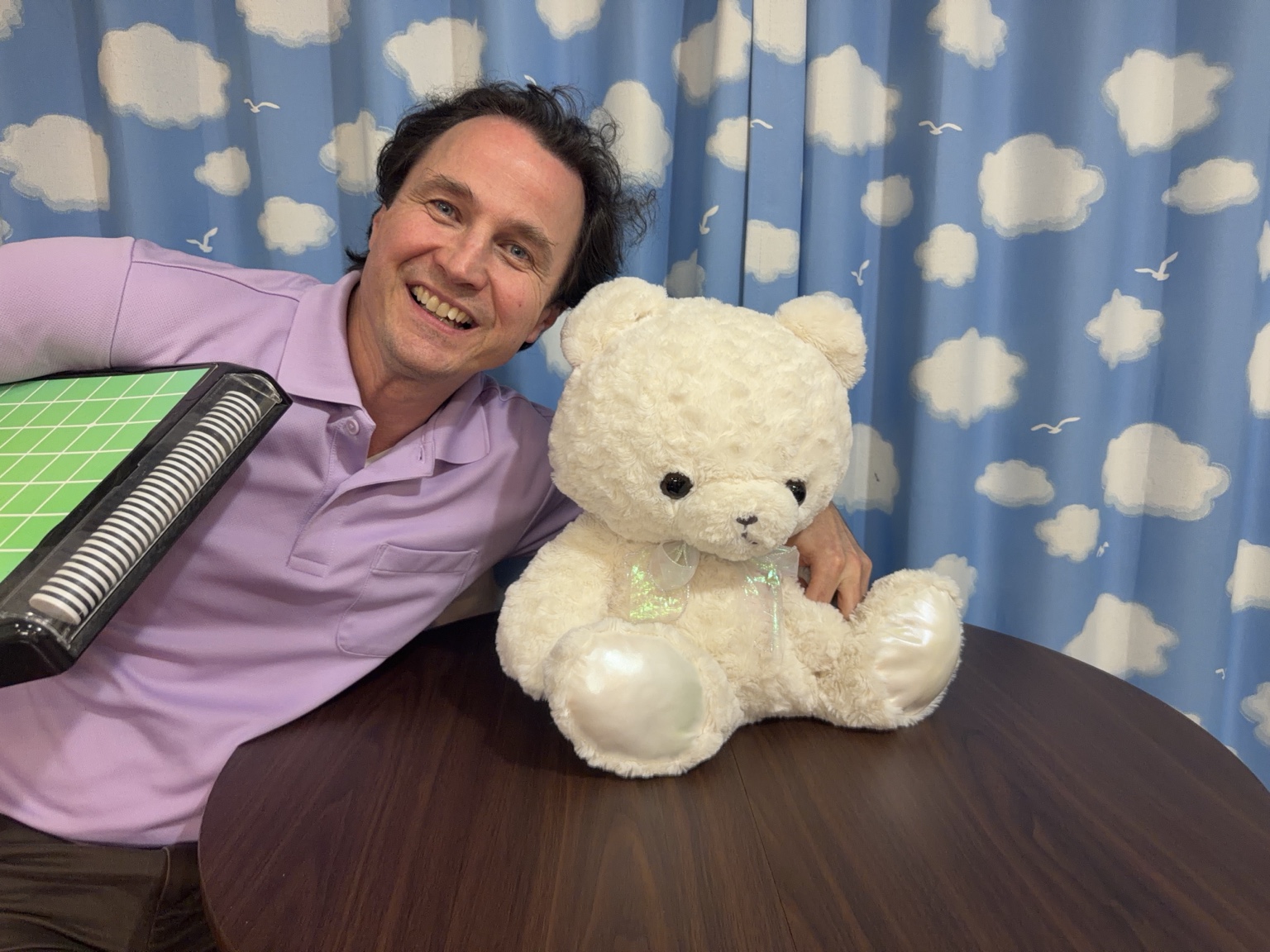
そして、今回の私のオセロの話に戻ります。私はゲームには負けましたが、それよりもずっと大切なものを得ることができました。友達の勝利を一緒に喜ぶことができたのです。
たとえ、その友達が大きな白いクマだったとしても!
この記事は、ミッキーが英語で書いた文章を日本語に翻訳したものです。
Practicing How to Lose
There is something very important that comes up often in my classroom, and it is something I like to call “practicing how to lose.”
When children are very young, they often grow up in a kind of safety bubble created by their parents. Parents naturally want their children to be happy. They might let their child go first, give them the first choice, or even let them win a game.
There is nothing unusual about this. It comes from love.
But eventually, children begin socializing with people who are not their parents. And suddenly, they discover something that can be quite shocking.
They are not always going to be first.
They are not always going to win.
And they are not going to be everybody else’s first priority.
Now imagine putting a group of children together who are all experiencing this realization at the same time. Sometimes, it can be a recipe for disaster!
For some children, having another student their own age win a game can be emotionally overwhelming. Even having an adult win can be a very upsetting experience.
Over the years, I have learned something important about how to respond to these situations.
When I first became a teacher, and even when I opened my own school, I used to say things like, “Don’t worry. It’s only a game.”
I really did say that.
At the time, I thought I was helping. I thought I was reassuring the child and reminding them that losing a game wasn’t something they needed to be so upset about.
But over time, through years of working with children, I began to realize that I wasn’t actually helping them navigate their emotions.
In fact, I was doing something quite different.
I was ignoring how they felt.
By telling a child that it was “only a game,” I was unintentionally dismissing something that was genuinely important to them. I was trying to make the emotion go away instead of helping the child understand it and learn how to deal with it.
That was an important lesson for me as a teacher.
And it’s why I no longer tell a child, “Don’t worry. It’s only a game.”
I have come to understand that when a child is genuinely upset about losing, telling them it is only a game doesn’t make their feelings disappear.
To them, it isn’t only a game.
It hurts.
Instead, I might say something like:
“I can understand that this really hurt your heart.”
Or:
“Winning is very important to you, isn’t it?”
I want the child to know that I understand their disappointment. I don’t need to convince them that losing doesn’t matter. I need to help them understand that the feeling they are experiencing is something they can learn to manage.
And then I tell them something about myself.
I have lost many times in my life.
I have made mistakes. I have failed at things. I have been disappointed. And I don’t particularly enjoy losing either!
But there is one big difference between me and a young child.
I have had a lot more practice at losing.
That’s really what this is about.
Practicing.
Sometimes, I will even create a pretend situation where a child loses a game, just so we can practice what happens next. We can talk about how it feels, what they might want to do, and how they could react differently.
We are not practicing how to stop caring about winning.
We are practicing how to handle losing.
And this is something I would really encourage parents to try at home.
Don’t always let your child win.
Don’t always let your child go first.
Give them opportunities to experience disappointment in a safe environment, with people who love them.
And when those big emotions come out, please don’t punish a child simply because they haven’t learned how to manage them yet.
Let them know that you are a safe person to have those feelings around.
But there is also an important boundary.
We are allowed to have any feeling we want. But we are not allowed to hurt ourselves or other people because of those feelings.
Being angry is okay.
Being disappointed is okay.
Crying because you lost is okay.
But hitting your younger sister or punching a wall is not okay.
We can accept the emotion without accepting every behaviour that comes from it.
Another thing I want to make very clear is that I am not against competition.
Quite the opposite!
Some children are naturally very competitive. They love winning. They want to be the fastest, the smartest, or the best at something.
I don’t want to take that away from them.
I don’t want to make a competitive child feel that they need to become smaller, quieter, or less ambitious just to make everyone else comfortable.
Competition can be wonderful.
Sometimes losing teaches us something about our mistakes. Sometimes it helps us discover what we need to practice. And sometimes losing makes us even more determined to win the next time.
I encourage that!
I don’t want children to stop caring about winning.
I want children to love winning, while also learning how to be okay with losing.
But there is one more lesson that I think might be the most important of all.
Learning how to enjoy somebody else’s success.
When a student wins a game in my classroom, I try to encourage the other students to congratulate the winner.
Even when they are disappointed.
Even when they really wanted to win themselves.
This isn’t always easy.
Sometimes watching somebody else succeed can hurt, especially when you were hoping that success would be yours.
But I believe that learning to celebrate another person’s victory is a wonderful skill to develop.
Because something interesting can happen when we begin to enjoy other people’s successes.
We discover that winning isn’t the only way to experience happiness in a competition.
Sometimes, enjoying somebody else’s win can be just as much fun as enjoying our own.
We often talk about sore losers. But there is another kind of person we should be careful not to create.
A sore winner.
Someone who wins but makes everybody else feel terrible about losing.
I don’t want to create either of those.
I want children who can win with kindness, lose with dignity, and continue to enjoy the experience of competing.
I want children who can congratulate someone else without feeling that another person’s success somehow makes their own achievements less valuable.
And when they lose, I want them to know that losing doesn’t mean they are a loser.
It means they didn’t win this time.
They can learn. They can practice. They can try again.
I don’t want to create sore losers or sore winners. I want to create admirable winners and children who understand that, even when they lose, they might only be one step away from winning the next time.

ミッキーキッズ英会話
スクール
MICKEY KIDS ENGLISH SCHOOL
幼児・小学生・中学生・高校生
千葉県千葉市中央区新宿1丁目24-4
フジタマンション201号室

