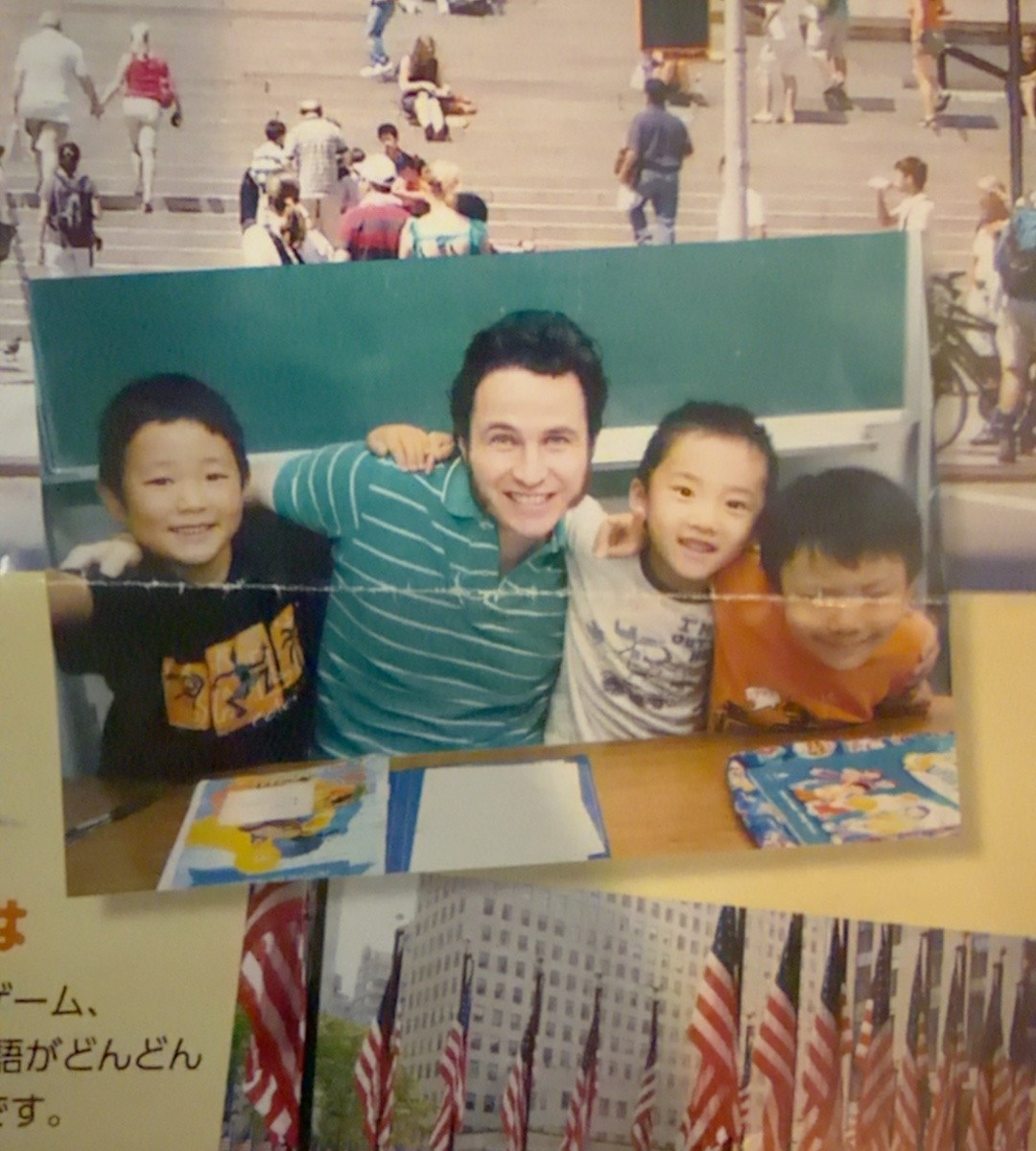
最近、ミッキーキッズの保護者の方が私のブログを読んで、とても興味深い質問をしてくださいました。
「ミッキー先生と日本語の関わり方についても知りたいです。母語と外国語に対して、どんなふうに向き合っているのか、どんな気持ちなのか、聞いてみたいです」
とても素敵な質問だと思いました。
でも、そのお話を始める前に、まずひとつ告白しなければなりません。
実は、私の日本語は、自分で思っている理想のレベルにはまだまだ届いていません!
私はもう長い間、日本で暮らしています。日本人の妻と結婚し、英語教室を経営し、大人になってからの人生のほとんどを日本で過ごしてきました。
「それだけ長く日本にいるなら、もう日本語はペラペラでしょう?」
そう思われるかもしれません。
残念ながら、そういうわけでもないんです。
私の日本語は、自分で言うのもなんですが、かなりシンプルで、文法もちょっと怪しい日本語です。
それでも、日常生活のいろいろなことは自分でできますし、伝えたいことも、たいてい何とか伝えられます。
ただ、日本語を読むことは今でも難しいですし、特に電話での会話には苦労します。
直接会って話すときは、相手の表情やジェスチャー、身振り手振りなどが助けてくれます。
でも電話では、そうしたヒントが全部なくなってしまいます。
残るのは、私と日本語だけ。
そして、ときどき日本語の圧勝です!(笑)
ちなみに、私は今でも日本語の先生に教わっていて、ほぼ毎週レッスンを受けています。
まだまだ勉強中ですし、学ばなければならないこともたくさんあります。
でも、長年日本で暮らしているうちに、ひとつ面白いことが起こりました。
日本語の能力は自分が期待していたほど上達していないのに、日本の生活や文化に対する理解は、驚くほど深まっていたのです。
そして私は、このふたつはまったく別のことなのだと思っています。
千の言葉と、ひとつの言葉
英語と日本語について、私が特に面白いと感じるのは、その違いの大きさです。
ときには、言葉の宇宙の正反対にあるようにさえ感じます。
私はよく、こんなふうに考えます。
英語には、ひとつのことを表すために千もの言葉がある。
一方、日本語には、千ものことを表せるひとつの言葉がある。
もちろん、これは大げさな表現です。
でも、私にはときどき、本当にそんなふうに感じられるのです。
英語では、自分が伝えたいことをできるだけ正確に表現するために、ぴったりの言葉を選ぼうとすることがよくあります。
一方、日本語では、状況や人間関係、そして英語に簡単には訳せない表現によって、とても多くの意味が伝わることがあります。
例えば、「よろしくお願いします」。
英語で意味を説明しようとすると、「どうか私に親切にしてください」といった表現になるかもしれません。
では、英語を話す国の職場で、新しい同僚に向かって突然、
「どうか私に親切にしてください!」
と言ったらどうなるでしょう?
きっと相手は、「この人、どうしたんだろう?」と思うかもしれません!(笑)
でも、日本語では「よろしくお願いします」はごく自然な表現です。
相手との協力や、これからの関係を大切にしたいという気持ちまで含まれています。
もうひとつ、「お疲れ様です」という表現があります。
英語にすると、「一生懸命働いてくれてありがとう」という意味に近いかもしれません。
でも、それだけでは、この言葉が持っている意味をすべて表せません。
英語圏の職場で、同僚に会うたびに「一生懸命働いてくれてありがとう!」と言っていたら、少し不思議に思われるでしょう。
ところが日本では、「お疲れ様です」は毎日のように使われる、ごく普通のあいさつです。
私は、こうした表現に日本語の面白さを感じます。
日本語には、相手の努力を認めたり、思いやりを伝えたりするための決まった表現がたくさんあるのです。
英語は「自分が何を伝えたいか」を正確に表現することが得意で、日本語は「相手にどう接したいか」を表現することが得意なのかもしれません。
もちろん、どちらの言葉が優れているという話ではありません。
ただ、コミュニケーションへの向き合い方が少し違うのだと思います。
上司が最初に教えてくれた日本語
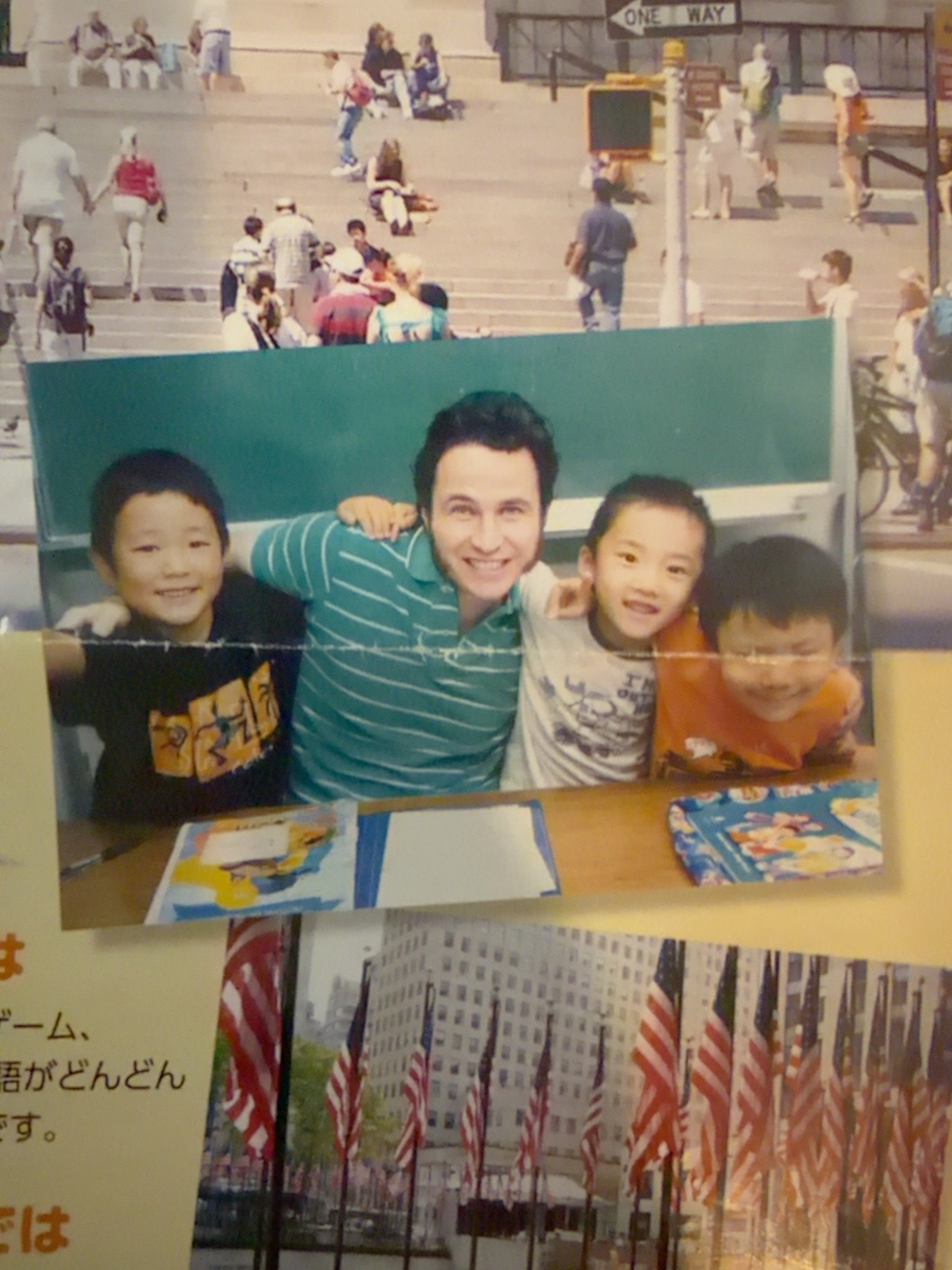
私が初めて日本に来たころ、日本の中学校で外国語指導助手(ALT)として働いていました。
そのとき、上司が最初に教えてくれた正式な日本語の表現は、なんと、
「お先に失礼します」
でした。
これは、ほかの先生方より先に仕事を終えて帰るときに使う言葉です。
かなり直訳すると、「皆さんより先に帰るという失礼なことをしてしまいますが、どうかお許しください」という感じでしょうか。
私は、この表現がとても興味深いと思いました。
当時、私の勤務時間は午後4時30分まででした。
でも、日本人の先生方はまだまだ忙しく働いていました。
先生方には私とは違う責任があり、私の勤務時間が終わったからといって、先生方の仕事まで終わるわけではありません。
ALTだった私と、日本人の先生方とでは、担っている仕事も責任も違っていました。
「お先に失礼します」という言葉を覚えたことで、その違いを意識するようになり、先生方の仕事を以前より深く尊敬するようになりました。
そのうち、私は午後4時30分を過ぎても学校に残るようになりました。
残業を命じられたわけではありません。
美術部やバスケットボール部を見に行くのが楽しかったからです。
生徒たちともっと時間を過ごしたかったですし、学校というコミュニティの一員になりたいと思っていました。
すると、面白いことが起こりました。
日本人の先生方が、少しずつ私を見る目を変えてくれたように感じたのです。
学校生活に積極的に関わるようになるにつれて、先生方との距離も縮まり、以前より温かく迎えてもらい、尊重してもらえるようになったと感じました。
もちろん、遅くまで学校に残ることが、必ずしも良い先生の条件だとは思いません。
人にはそれぞれ事情がありますし、勤務時間が終わったら帰ることは、何も悪いことではありません。
でも、私にとっては、部活動に参加することが、学校やそこで働く人たちを理解する大切なきっかけになりました。
最初に教わった日本語は、自分が帰ったあとも働き続ける人たちへの気遣いを表す言葉でした。
そして時間がたつにつれて、その言葉の背景にある人間関係まで理解できるようになっていったのです。
私の妻は、日本語の先生ではありません!
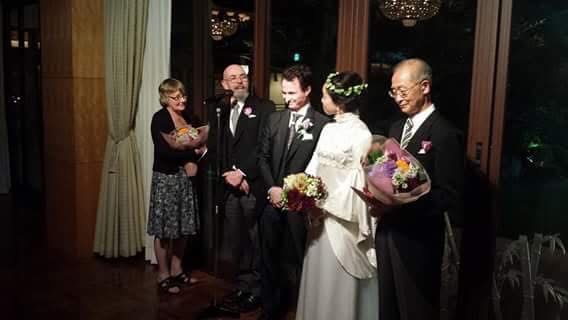
さて、ここまで読んで、こんな疑問を持った方もいるかもしれません。
「ミッキー先生、奥さんは日本人ですよね? 奥さんに日本語を教えてもらえばいいんじゃないですか?」
実は、これまで何度もそう言われてきました。
確かに、考えてみれば素晴らしいアイデアに聞こえます!
妻は英語がとても流暢なので、私たちは日本語ができなくても、普段のコミュニケーションに困ることはありません。
でも、私が配偶者を語学の先生にすることをあまりおすすめしないのには、もうひとつ理由があります。
語学の先生が何をするか、ちょっと考えてみてください。
生徒の話をよく聞きます。
間違いに気づきます。
文法を直します。
正しく言えるまで、もう一度繰り返してもらいます。
では、そんな先生と一緒に暮らすところを想像してみてください。
毎日。
毎日。
毎日です。
しかも、その先生が自分の奥さんだったら!
私は、妻には妻でいてもらって、日本語の間違いは日本語の先生に直してもらうほうが、きっと夫婦円満につながると思っています!(笑)
もちろん、妻が流暢に英語を話せることに加えて、私自身が英語教室を経営しているので、日本に住んでいながら、驚くほど多くの時間を英語で過ごすことができます。
とても便利です。
でも、それでは日本語がなかなか上達しないのも当然かもしれませんね!
私の日本語で書いた住宅ローンの申込書
私と日本語の関係について、もうひとつ面白い話があります。
妻と一緒にマンションを購入したときのことです。
住宅ローンを申し込む際、銀行から、自分の申込書は自分で記入しなければならないと言われました。
妻に全部書いてもらうことはできなかったのです。
簡単な日本語を話すことと、正式な金融書類に日本語を書くことは、まったく別の話です!
ですから、日本のどこかに、6歳の子どもが書いたような字で記入された、私の住宅ローンの申込書が存在しているはずです。
想像してみてください。
大人になって家を買おうとしているのに、書類の文字は小学生のようなんです。
外国語を学ぶというのは、ときには自信をなくしてしまうような経験でもあります。
でも、それも含めて、外国語を学ぶということなのだと思います。
母語なら簡単にできることが、外国語になると突然、とても難しくなることがあります。
そんなときは、自分で自分を笑ってしまうくらいが、ちょうどいいのかもしれません。
日本が教えてくれた、カナダの家族との向き合い方
日本で経験した変化の中でも、特に意味が大きかったことがあります。
そして、それは実は言葉とはあまり関係がありません。
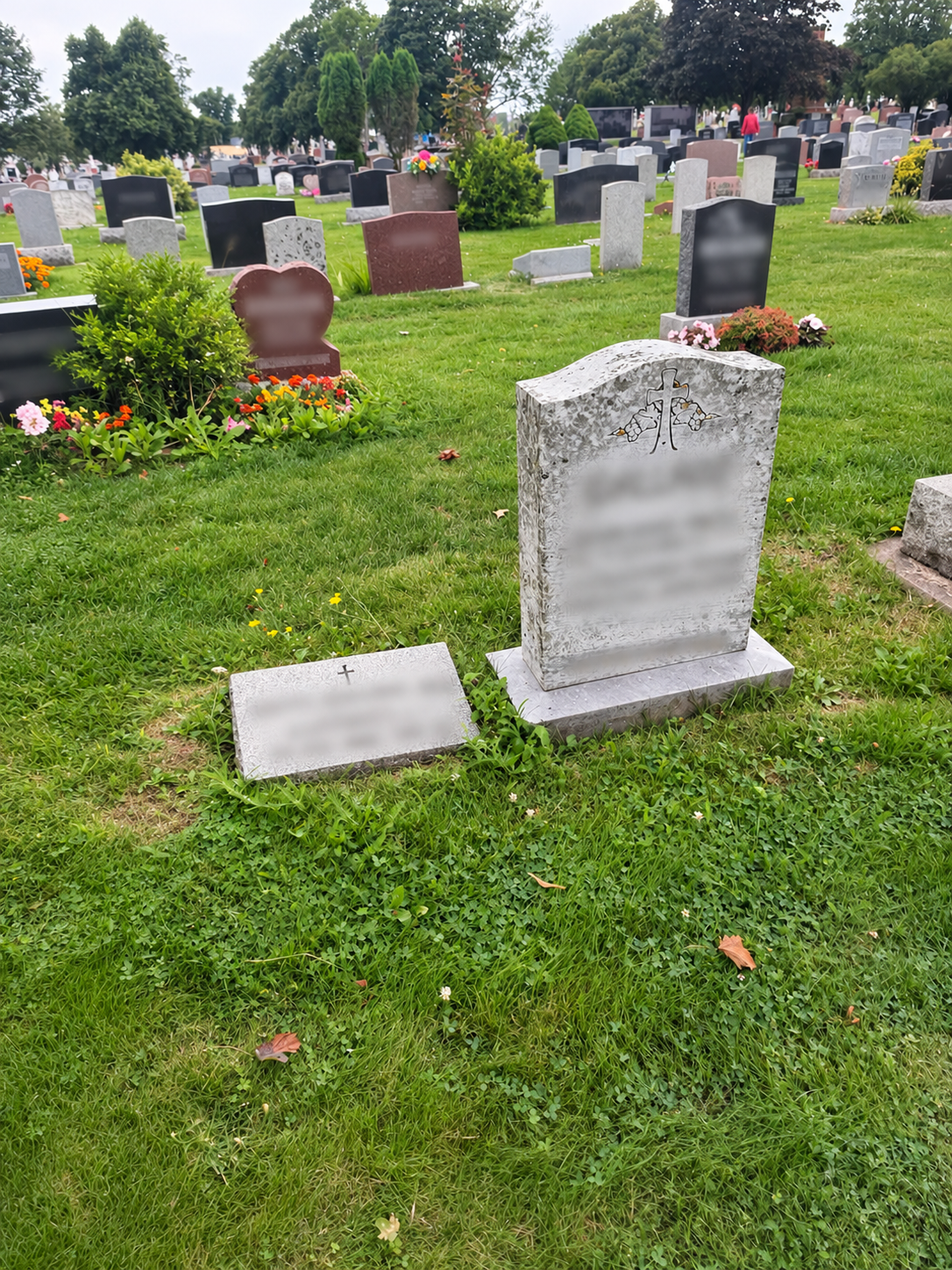
お墓参りのことです。
私の故郷であるカナダでは、死というものに対して、少し距離を置こうとする人が多いように感じます。
できれば、あまり考えたくないことなのかもしれません。
もちろん、家庭によって考え方は違います。
でも、少なくとも私が育った環境では、お墓参りは日常的な習慣ではありませんでした。
日本には、春と秋のお彼岸など、家族のお墓を訪れる伝統的な時期があります。
日本の家族の一員になってから、私はカナダにいたころよりも、ずっと頻繁に家族のお墓参りをするようになりました。
そして、時間がたつにつれて、自分の中で何かが変わっていきました。
日本の家族のお墓には何度も足を運んでいるのに、カナダの自分の家族のお墓には同じように行っていない。
そのことが、だんだん不思議に感じられるようになったのです。
そこで、カナダの故郷に帰ったとき、両親を誘って、家族のお墓を訪れ、墓石を掃除することにしました。
両親は、とても驚いていたように思います。
日本に来る前の私は、家族のお墓参りにそれほど関心を持っていなかったからです。
でも、そのころの私にとっては、それが自然にするべきことのように感じられました。
日本の習慣を意識してカナダに持ち帰ろうとしたわけではありません。
日本で何度も経験するうちに、それが自分にとって当たり前になり、カナダの家族に対しても同じようにしたいと思うようになったのです。
日本で暮らした経験が、自分の母国での行動まで変えていたのです。
私は、これこそ異文化を経験することの面白さのひとつだと思います。
新しい習慣を学び、気がつかないうちに、それが自分自身の一部になっていることがあるのです。
言葉以上のものを学ぶ
最初にいただいた保護者の方からの質問を改めて考えてみると、私と日本語の関係は、少し複雑なのかもしれません。
もっと日本語を上手に話せるようになりたいです。
もっと楽に日本語を読めるようになりたいです。
電話での会話も、もう少し簡単になってほしいです!
そして、日本語の文字も、もう少し大人らしく書けるようになりたいものです。
でも同時に、日本で暮らす中で、単語や文法をはるかに超えるものを学んできたことにも気づきます。
ほかの人の努力を認める、さまざまな表現を学びました。
コミュニティに参加することで、人との関係が変わっていくことを学びました。
そして、日本で身につけた習慣が、カナダにいる自分の家族との向き合い方まで変えてくれました。
文化を理解することと、その国の言葉を上手に話せることは、必ずしも同じではないのだと思います。
日本の習慣に込められた意味はよく理解できるのに、それを日本語でうまく説明できないことがあります。
言葉を教える仕事をしている人間としては、なんとも不思議な気持ちです!
でも、だからこそ、外国語を学んでいる人たちを心から尊敬できるのかもしれません。
伝えたいことがあるのに、それを表現するための言葉がなかなか見つからない。
その気持ちは、私にもよくわかります。
そして、間違えることも学ぶ過程の大切な一部だということを知っています。
私自身が日本語を学んできた経験は、ミッキーキッズで英語を教えるときの考え方にも、大きな影響を与えています。
でも、そのお話は、また別の記事でゆっくり書きたいと思います。
今回、私が一番伝えたいのは、外国語を学ぶということは、単に「違う言い方」を覚えることだけではない、ということです。
ときには、「違う見方」を教えてくれることもあるのです。
そして、たとえ私の日本語がこれからも理想どおりに上達しなかったとしても、日本がこれまで私に教えてくれたすべてのことに、心から感謝しています。
この記事は、ミッキーが英語で書いた文章を日本語に翻訳したものです。
Japanese and Me
Learning a language, understanding a culture, and occasionally embarrassing myself.
Recently, a mother of one of my Mickey Kids students read my blog and asked me a very interesting question. She wanted to know about my relationship with the Japanese language, how I feel about my native language compared with a foreign language, and what I’ve learned from living between the two.
I thought it was a wonderful question.
But before I go any further, I should probably confess something.
My Japanese isn’t nearly as good as I wish it were!
I’ve lived in Japan for many years. I’m married to a Japanese woman, I own an English school, and I’ve built most of my adult life here. You might imagine that by now I would be speaking Japanese fluently.
Unfortunately, that’s not quite the case.
I speak what I would describe as simple, broken Japanese. But I can do many things independently, and I usually manage to communicate what I need.
Reading Japanese is still a challenge, and telephone conversations can be particularly difficult. When I’m speaking to someone face-to-face, I can rely on facial expressions, gestures, and body language. On the telephone, all those helpful clues disappear.
Suddenly, it’s just me and the Japanese language.
And sometimes the Japanese language wins!
I should also mention that I have a Japanese teacher, and I take lessons almost every week. I’m still learning, and I still have a long way to go.
But something interesting has happened over the years.
Although my Japanese ability hasn’t developed as much as I hoped, my understanding of Japanese life and culture has grown enormously.
And I think those are two very different things.
A Thousand Words and One Word
One of the things that fascinates me about English and Japanese is just how different they are.
Sometimes I feel as though they’re on opposite sides of the language universe.
I’ve often thought that English has a thousand words to express one thing, while Japanese has one word that can express a thousand things.
Of course, that’s an exaggeration. But it’s how the difference sometimes feels to me.
In English, we often try to make our meaning clear by choosing exactly the right words. Japanese can communicate an enormous amount through context, relationships, and expressions that don’t have a simple English equivalent.
Take よろしくお願いします (yoroshiku onegaishimasu).
One way of understanding the expression is something like, “Please favour me with your kindness.”
Now imagine walking into an English-speaking workplace and saying that to your new coworkers.
They might wonder what was wrong with you!
But in Japanese, it’s a perfectly natural expression. It communicates goodwill, cooperation, and consideration for the relationship between people.
Or consider お疲れ様です (otsukaresama desu).
We might translate it as “Thank you for your hard work,” but that doesn’t quite capture everything it communicates.
In an English-speaking workplace, it would be unusual to greet your coworkers several times a day by thanking them for their hard work.
Yet in Japan, お疲れ様です is an ordinary part of everyday communication.
To me, these expressions reveal something interesting about Japanese. There are so many established ways of acknowledging other people and showing consideration for them.
I sometimes think English is particularly good at expressing exactly what we want to say, while Japanese is particularly good at expressing how we want to treat one another.
Neither language is better than the other. They simply approach communication differently.
The First Japanese Phrase My Boss Taught Me
When I first came to Japan, I worked as an assistant language teacher at a Japanese junior high school.
The very first official Japanese expression my boss taught me was:
お先に失礼します。
Osaki ni shitsurei shimasu.
It’s something you say when you’re leaving work before your coworkers.
A rather literal interpretation might be, “Please excuse me for being rude by leaving before you.”
I found this fascinating.
My working day finished at 4:30 p.m., but the Japanese teachers were still busy. They had responsibilities that were quite different from mine, and their working day certainly didn’t end just because mine did.
As an assistant language teacher, I wasn’t carrying the same responsibilities as the Japanese teachers.
Learning that expression helped me recognize the difference between our jobs, and it made me respect the work they were doing.
Eventually, I began staying at school after 4:30.
Not because I was required to, but because I enjoyed visiting the art club and the basketball club.
I wanted to spend more time with the students and become involved in the school community.
And something interesting happened.
I felt that the Japanese teachers began to see me differently. As I spent more time participating in school life, our relationships became closer. I felt increasingly welcomed and respected by the staff.
I don’t think staying late automatically makes someone a better teacher. People have different responsibilities, and there’s nothing wrong with finishing work when your working day ends.
But for me, choosing to participate in those activities helped me understand the school and the people working there.
The first Japanese expression I had learned was about acknowledging the people who continued working after I left.
Over time, I began to understand the relationships behind those words.
My Wife Is Not My Japanese Teacher!
Now, you might be wondering something.
“Mickey, you’re married to a Japanese woman. Why doesn’t your wife teach you Japanese?”
People have suggested this to me many times.
And on paper, it sounds like a wonderful idea!
My wife speaks fluent English, so communication between us has never required me to become fluent in Japanese.
But there’s another reason I don’t recommend turning your spouse into your language teacher.
Think about what a language teacher does.
They listen carefully to what you say. They notice your mistakes. They correct your grammar. They ask you to repeat things until you get them right.
Now imagine living with that person.
Every. Single. Day.
And then imagine that person is your wife!
I think it’s probably healthier for our marriage if my wife remains my wife and I let my Japanese teacher correct my Japanese.
Of course, having a wife who speaks fluent English, combined with owning an English school, has meant that I can spend a surprising amount of my life in Japan speaking English.
It’s convenient, but it hasn’t exactly forced my Japanese to improve!
My Japanese Mortgage Application
There is another funny example of my relationship with Japanese.
When my wife and I bought our condo, we had to apply for a mortgage.
During the application process, the bank informed me that I had to complete my own paperwork.
My wife couldn’t simply fill everything out for me.
Now, speaking simple Japanese is one thing.
Writing Japanese on official financial documents is something else entirely!
So somewhere in Japan, there is a mortgage application with my name on it that looks like it was filled out by a six-year-old.
Imagine being an adult, buying a home, and having handwriting that looks like it belongs to an elementary school student.
That’s what learning another language can do to your confidence!
But that’s also part of the experience.
You learn to accept that there are things you can do very well in your native language that suddenly become incredibly difficult in another.
And sometimes, you just have to laugh at yourself.
What Japan Taught Me About My Own Family
One of the most meaningful changes I’ve experienced in Japan actually has very little to do with language.
It has to do with visiting graves.
Where I come from in Canada, I feel that many people have an uncomfortable relationship with death. We often prefer not to think about it too much.
Of course, every family is different, but visiting cemeteries was never a particularly regular part of my life growing up.
In Japan, there are traditional times when families visit the graves of their relatives, including the spring and autumn Ohigan periods.
After becoming part of a Japanese family, I began visiting family graves much more frequently than I ever had in Canada.
Over time, something changed in the way I thought about it.
I had visited my Japanese family’s graves so many times that it began to feel strange that I wasn’t doing the same thing for my family back home.
So when I returned to my hometown in Canada, I took my parents to visit and clean our family’s gravestones.
My parents seemed genuinely impressed.
I don’t think they had ever seen me take much interest in visiting family graves before I moved to Japan.
But to me, it had started to feel like something I should naturally do.
I wasn’t deliberately trying to bring a Japanese tradition back to Canada. It was simply something I had become accustomed to doing, and I began to feel a responsibility to do the same for my Canadian family.
Living in Japan had changed the way I approached something in my own country.
I think that’s one of the most interesting things about experiencing another culture.
Sometimes we learn a new custom, and without realizing it, that custom becomes part of who we are.
Learning More Than Words
When I think about the mother’s original question, I realize that my relationship with Japanese is a little complicated.
I wish I spoke Japanese better.
I wish I could read more easily.
I certainly wish telephone conversations weren’t so difficult!
And I would love it if my Japanese handwriting looked a little more like it belonged to an adult.
But I also recognize that I’ve learned things from living in Japan that go far beyond vocabulary and grammar.
I’ve learned different ways of acknowledging other people’s efforts.
I’ve learned how participating in a community can change relationships.
I’ve learned customs that have influenced how I treat my own family back in Canada.
And I’ve learned that understanding a culture and speaking its language are not necessarily the same achievement.
Sometimes I understand the meaning behind a Japanese custom much better than I can explain it in Japanese.
That’s a strange feeling, especially for someone who makes a living teaching language!
But perhaps that’s also why I have so much respect for people who are learning a foreign language.
I know what it’s like to have something you want to communicate but not quite have the words to express it.
And I know that making mistakes is part of the process.
My experiences learning Japanese have also influenced the way I think about teaching English at Mickey Kids.
But that’s a story I’d like to explore in another article.
For now, I think the most important thing I’ve learned is that studying a foreign language isn’t only about learning how to say things differently.
Sometimes, it teaches us to see things differently, too.
And even if my Japanese never becomes as good as I’d like, I’m very grateful for everything Japan has taught me along the way.

ミッキーキッズ英会話
スクール
MICKEY KIDS ENGLISH SCHOOL
幼児・小学生・中学生・高校生
千葉県千葉市中央区新宿1丁目24-4
フジタマンション201号室

